
Most businesses already use spreadsheets, emails, or multiple tools to manage employees, attendance, payroll, and HR operations. However, disconnected HR workflows often create payroll errors, compliance risks, delayed approvals, and employee frustration without companies realizing hidden productivity loss. In this guide, you’ll learn what HRMS management is, how it works, its benefits, essential features, implementation process, and how to choose the right HRMS software for your organization.
Key Takeaways
- HRMS management helps organizations automate payroll, attendance, recruitment, employee records, and HR workflows from one centralized platform.
- Cloud-based HRMS software improves operational efficiency by reducing paperwork, manual errors, and repetitive HR tasks.
- Employee self-service portals allow staff to access pay slips, apply for leave, and update information independently.
- HR automation software improves compliance management, reporting accuracy, and workforce productivity.
- Modern HRMS systems provide real-time analytics that support smarter business and HR decisions.
- Scalable HRMS platforms support startups, SMEs, schools, and enterprises with customizable employee management workflows.
- AI-powered HR solutions are transforming recruitment, workforce planning, attendance tracking, and employee engagement.
What Is HRMS Management and How Does It Work?
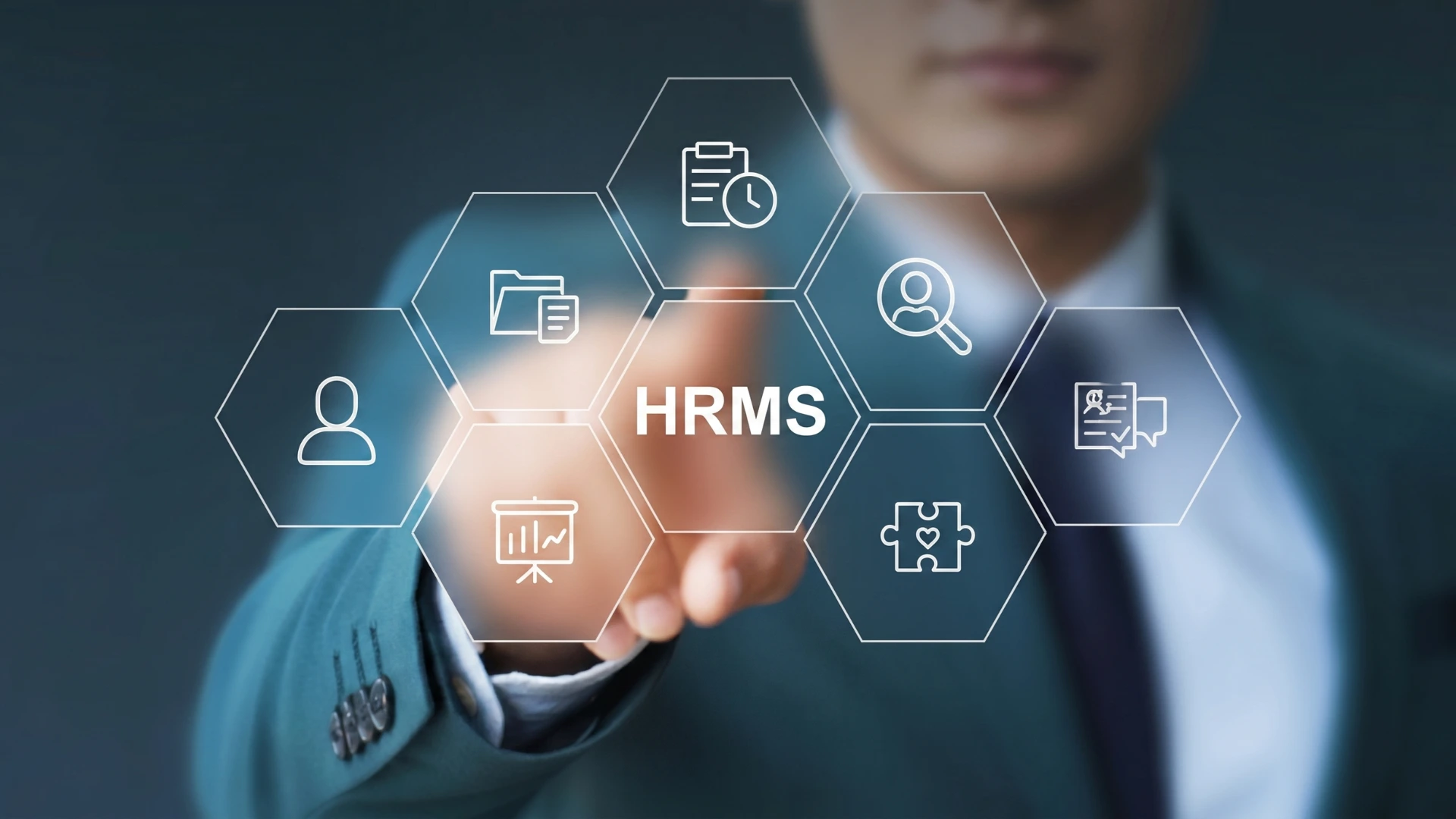
HRMS management is the process of using software to automate and manage core human resource functions such as payroll, attendance, recruitment, and employee records. A Human Resource Management System (HRMS) centralizes employee data and streamlines HR operations through automation and digital workflows.
Moreover, HRMS software helps businesses reduce paperwork and improve operational efficiency. For example, instead of manually calculating salaries or maintaining attendance sheets, HR teams can automate these tasks using a centralized dashboard.
HRMS software improves workforce productivity by reducing manual HR tasks, minimizing errors, and providing real-time employee insights. Businesses can manage employee onboarding, payroll approvals, leave requests, and performance reviews from one platform.
What Is the Difference Between HRMS, HRIS, and HCM?
HRMS, HRIS, and HCM are related HR technologies, but each serves a different scope of workforce management.
| System | Main Purpose | Best For |
| HRIS | Employee data storage and reporting | Small businesses |
| HRMS | HR automation and payroll management | SMEs and enterprises |
| HCM | Strategic workforce and talent management | Large organizations |
First, HRIS (Human Resource Information System) mainly focuses on employee data storage and reporting. Second, HRMS (Human Resource Management System) includes payroll, attendance, automation, and workflow management. Finally, HCM (Human Capital Management) focuses on talent development, workforce planning, and employee engagement.
👉 Read Digital HR Transformation Strategies to explore modern HR automation workflows that improve employee management and operational efficiency.
How Does HRMS Software Work?
HRMS software works by collecting, storing, processing, and automating employee-related information through integrated digital modules.
For example, when an employee marks attendance, the HRMS system automatically updates working hours, calculates overtime, and syncs data with payroll software. This automation reduces delays and improves salary accuracy.
In addition, cloud-based HRMS software allows HR teams to manage operations remotely. Cloud HR platforms help businesses access employee data securely from anywhere using internet-enabled devices.
Cloud-based HRMS software allows businesses to manage employees, payroll, and attendance remotely using a centralized online platform.
Why Is HRMS Management Important for Businesses?
HRMS management is important because it helps businesses automate repetitive HR tasks, improve compliance, and enhance employee experience.
First, manual HR operations consume significant time and increase the risk of payroll errors, attendance mismatches, and reporting inconsistencies. For example, businesses using spreadsheets often struggle to track employee leave balances accurately.
Second, HR automation software improves productivity by reducing administrative work. HR teams can focus more on employee engagement, recruitment strategy, and workforce planning instead of paperwork.
At the same time, HRMS systems improve compliance management by maintaining organized employee records and automated reporting workflows. This helps organizations handle audits, payroll processing, and policy documentation more efficiently.
How Does HRMS Improve Employee Management?
HRMS software improves employee management by centralizing communication, attendance tracking, payroll processing, and performance monitoring.
For example, employees can apply for leave, download salary slips, and update personal details through self-service portals without depending on HR teams for every request.
In addition, managers can monitor team attendance, track productivity, and review employee performance using dashboards and analytics tools.
What Are the Main Features of an HRMS System?
The main features of an HRMS system include payroll management, attendance tracking, recruitment automation, employee databases, and performance management tools.
1. Employee Database Management
Employee database management stores all workforce information in one secure location.
For example, HR teams can maintain employee contact details, joining dates, department structures, and compliance documents digitally instead of using physical files.
b. Attendance and Leave Management
Attendance management software automates employee check-ins, leave approvals, and shift tracking.
This automation reduces manual errors and improves transparency across teams. Businesses can monitor attendance trends and absenteeism in real time.
c. Payroll Processing
Payroll management systems automate salary calculations, tax deductions, reimbursements, and payslip generation.
For example, HRMS payroll software can automatically calculate overtime and attendance-based deductions without manual intervention.
👉 Visit Employee Payroll Management Software to understand how payroll systems simplify salary processing, compliance, and workforce management.
d. Recruitment and Onboarding
Recruitment management software simplifies candidate tracking, interview scheduling, and employee onboarding workflows.
For example, businesses can collect resumes, evaluate candidates, and automate onboarding document verification using one HRMS platform.
e. Performance Management
Performance management systems help organizations evaluate employee productivity, goals, and skill development.
Managers can conduct regular reviews, assign KPIs, and monitor progress through automated performance dashboards.
👉 Discover Employee Performance Management System solutions to improve workforce productivity, goal tracking, and employee evaluations.
How Does HRMS Automation Improve Payroll and Attendance Tracking?
HRMS automation improves payroll and attendance tracking by connecting attendance data directly with salary calculations and reporting systems.
First, employees can clock in using biometric devices, mobile apps, or web portals. Second, the HRMS system automatically records working hours and leaves balances. Finally, payroll modules calculate salaries using attendance data.
For example, if an employee works overtime, the HRMS software can automatically include overtime pay during payroll processing. This reduces salary disputes and improves transparency.
In addition, HR automation minimizes compliance risks related to tax calculations and payroll documentation. Businesses can generate reports instantly during audits or financial reviews.
👉 Read HR Compliance Management Tools to learn how businesses simplify policy management, labor compliance, and employee documentation.
What Are the Different Types of HRMS Software?
HRMS software comes in different formats based on deployment model, business size, and industry requirements.
a. Cloud-Based HRMS Software
Cloud HRMS software stores employee data online and provides remote accessibility through secure servers.
Cloud platforms are scalable and suitable for growing businesses. They also reduce infrastructure costs compared to traditional systems.
b. On-Premises HRMS Software
On-premises HRMS systems are installed locally on company servers and managed internally.
Large organizations with strict security policies often prefer on-premise solutions for complete infrastructure control.
c. Industry-Specific HRMS Solutions
Industry-specific HRMS platforms provide specialized workflows designed for schools, healthcare, retail, manufacturing, and enterprises.
For example, schools may require attendance tracking for teachers, payroll management, and timetable integration within one platform.
How Do You Choose the Best HRMS Software for Your Organization?
The best HRMS software should match your business size, operational needs, scalability goals, and budget requirements.
First, identify your HR challenges clearly. For example, some businesses need payroll automation, while others prioritize recruitment management or attendance tracking.
Second, evaluate scalability and integration capabilities. HRMS software should integrate with payroll tools, biometric systems, ERP software, and accounting platforms.
Third, prioritize security and compliance features. Employee data contains sensitive information that requires secure access control and encrypted storage.
Finally, choose software with a user-friendly interface and responsive support. Employee adoption becomes easier when the platform is simple to use.
Why Businesses Choose Munshify HRMS
Munshify HRMS helps businesses automate employee management, payroll processing, attendance tracking, and HR workflows through one centralized platform.
For example, organizations can manage leave approvals, employee records, onboarding, and payroll operations using a single dashboard instead of multiple disconnected tools.
In addition, Munshify supports scalable HR automation for startups, SMEs, schools, and growing enterprises.
What Are the Common Challenges in HRMS Implementation?
Common HRMS implementation challenges include employee adoption issues, data migration difficulties, integration problems, and staff training requirements.
First, employees may resist switching from traditional HR methods to digital systems. Businesses can solve this challenge through onboarding sessions and practical training.
Second, migrating old employee records into a new system can create data inconsistencies if not managed carefully. Organizations should validate data before migration.
Third, integration issues may occur when connecting HRMS platforms with payroll or attendance systems. Businesses should choose flexible platforms with API integration support.
HRMS implementation involves employee data migration, workflow automation, payroll integration, and staff training.
What Are the Latest Trends in HRMS Management?
Modern HRMS trends focus on AI automation, predictive analytics, employee experience, and mobile-first workforce management.
a. AI-Powered HR Automation
AI-powered HR solutions improve recruitment screening, workforce planning, and employee analytics.
For example, AI can analyze attendance patterns, predict attrition risks, and recommend workforce optimization strategies.
b. Mobile HRMS Applications
Mobile HRMS apps allow employees and managers to access HR services from smartphones and tablets.
Employees can apply for leave, check attendance, and download payslips remotely using mobile HR platforms.
c. Predictive HR Analytics
Predictive analytics helps HR teams make data-driven workforce decisions using historical employee data.
👉 Read Best HR Analytics Tools to gain smarter workforce insights through advanced reporting, employee data tracking, and performance analysis.
Best HRMS Management Tools for Employee Management
The best HRMS management tools combine payroll automation, attendance tracking, employee databases, and analytics into one integrated system.
Munshify HRMS Platform
Munshify HRMS provides centralized employee management tools designed for modern businesses and institutions.
Key capabilities include:
- Payroll automation
- Attendance and leave tracking
- Recruitment workflows
- Employee self-service portals
- Performance monitoring
- HR analytics dashboards
This integrated approach helps organizations improve workforce efficiency while reducing manual administrative work.
Conclusion
HRMS management helps businesses streamline HR operations through automation, centralized employee data, and smarter workforce management. From payroll processing and attendance tracking to recruitment and performance management, modern HRMS software improves productivity while reducing manual work.
Moreover, cloud-based HRMS platforms make it easier for businesses to scale operations, improve employee experiences, and maintain compliance efficiently. Organizations that invest in HR automation today can build stronger, more productive workplaces for the future.
Frequently Asked Questions
1. What is HRMS management?
HRMS management is the process of using software to automate HR operations such as payroll, attendance, recruitment, employee records, and performance tracking.
2. What are the main features of HRMS software?
The main HRMS features include payroll management, attendance tracking, employee databases, recruitment workflows, self-service portals, and performance management tools.
3. How does cloud-based HRMS software help businesses?
Cloud-based HRMS software allows businesses to manage employees, payroll, and attendance remotely through centralized online platforms.
4. Is HRMS software suitable for small businesses?
Yes. HRMS for small businesses helps reduce manual work, improve payroll accuracy, and streamline employee management without large administrative teams.
5. How long does HRMS implementation take?
HRMS implementation timelines depend on company size, data migration complexity, integrations, and employee training requirements.
👉 Visit Munshify.com to simplify HR operations with smart payroll, attendance, recruitment, and workforce management solutions built for modern businesses.