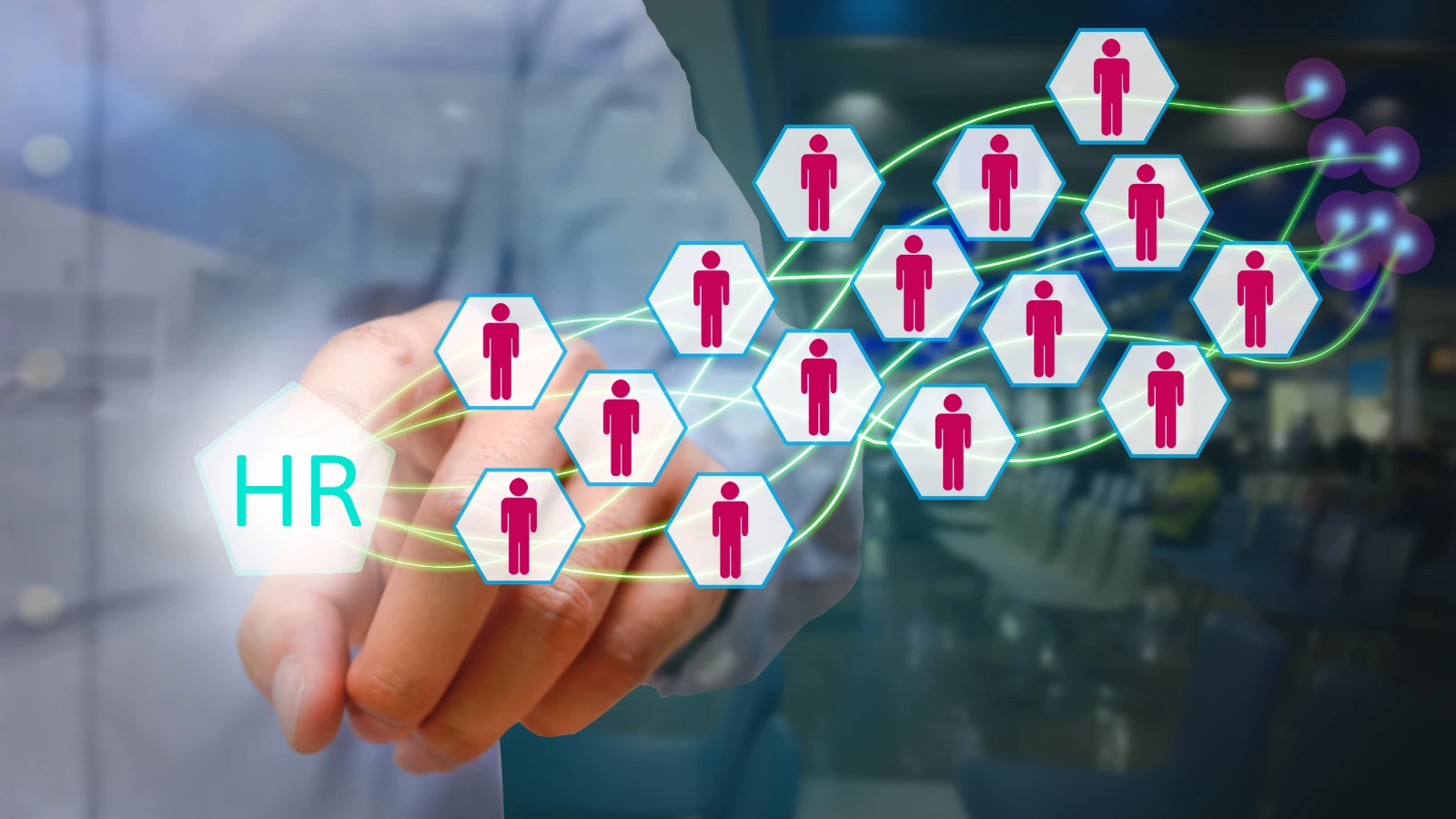

Workplaces are no longer defined only by policies and processes. They are defined by experiences. In this shift, HRMS and Payroll Software is quietly transforming how organizations treat, engage, and value their people. Instead of acting as a backend system, it has become a cultural enabler helping companies move from “managing employees” to genuinely supporting them.
The Evolution From Process-First to People-First
Traditionally, HR systems were designed for compliance and control. However, modern employees expect speed, clarity, and fairness. When systems fail, frustration builds. When systems work seamlessly, trust grows. That is precisely where HRMS and Payroll Software changes the equation.
By removing manual bottlenecks and reducing dependency on emails, spreadsheets, and follow-ups, HR teams can shift their energy toward human conversations, career growth, and well-being initiatives.
Build a people-first workplace with smart Munshify HRMS and Payroll Software, start today.
How HRMS and Payroll Software Shapes Everyday Employee Experience
1. Turning HR Operations Into Invisible Support
The best systems are the ones employees barely notice because they work flawlessly. Automated attendance, instant leave approvals, and real-time payroll processing reduce friction in daily work life. As a result, employees feel supported without feeling controlled.
Instead of asking HR for updates, employees get answers instantly. This silent efficiency creates confidence and calm across the organization.
Learen More: HRMS Mobile Apps: Why Mobile-First HR Management is the Future
2. Payroll Transparency Builds Emotional Trust
Salary is more than compensation it is reassurance. Errors or delays can damage morale instantly. Automated payroll ensures accurate calculations, statutory compliance, and timely payouts. More importantly, employees can access payslips, tax details, and salary history whenever they need.
This level of transparency signals respect. When people trust the system, they trust the organization behind it.
3. Self-Service Creates a Sense of Ownership
People-first cultures thrive on autonomy. HRMS self-service portals allow employees to manage their own information, apply for leave, track requests, and download documents without waiting for approvals over email.
This independence sends a clear message: “We trust you.” And trust, when extended, is often returned with engagement.
Consistency That Supports Fairness and Inclusion
Culture weakens when policies are applied inconsistently. HRMS and Payroll Software standardizes workflows whether it’s appraisals, promotions, or policy enforcement. Decisions are guided by data, not assumptions.
Additionally, analytics dashboards give leadership visibility into workforce trends such as attrition, absenteeism, and engagement. With this insight, organizations can act early, listen better, and respond with empathy.
Reimagining the Employee Journey
First impressions matter. A structured onboarding experience powered by HRMS ensures that new hires feel prepared, welcomed, and confident from day one. Clear task checklists, document access, and early payroll setup reduce anxiety and confusion.
Equally, respectful exit processes reflect organizational maturity. Smooth full-and-final settlements and clear communication leave employees with dignity strengthening employer brand even after separation.
Freeing HR Teams to Focus on Humans
When HR professionals spend less time fixing payroll errors or chasing approvals, they gain time to focus on strategic initiatives leadership development, engagement programs, and workplace culture.
Technology does not replace empathy. Instead, it creates space for it to flourish.
Why the Future Belongs to People-Centric Organizations
As work becomes more flexible and diverse, companies need systems that scale without losing their human touch. HRMS and Payroll Software enables this balance by combining efficiency with experience.
In closing, organizations that invest in people-focused HR technology do more than optimize operations they build trust, loyalty, and long-term resilience. HRMS and Payroll Software is no longer just an HR tool; it is the foundation of a truly people-first culture.
FAQs
1. How does HRMS contribute to a people-first culture?
It removes operational friction, improves transparency, and allows HR teams to focus on employee experience rather than administration.
2. Can payroll automation really affect employee morale?
Yes. Timely and accurate payroll directly impacts trust, satisfaction, and emotional security.
3. Is HRMS suitable for growing companies?
Absolutely. It helps startups and mid-sized businesses scale without losing structure or culture.
4. Does HRMS make HR less human?
No. It does the opposite by freeing HR teams to engage more deeply with people.
Visit Munshify.com to simplify HR and payroll management.