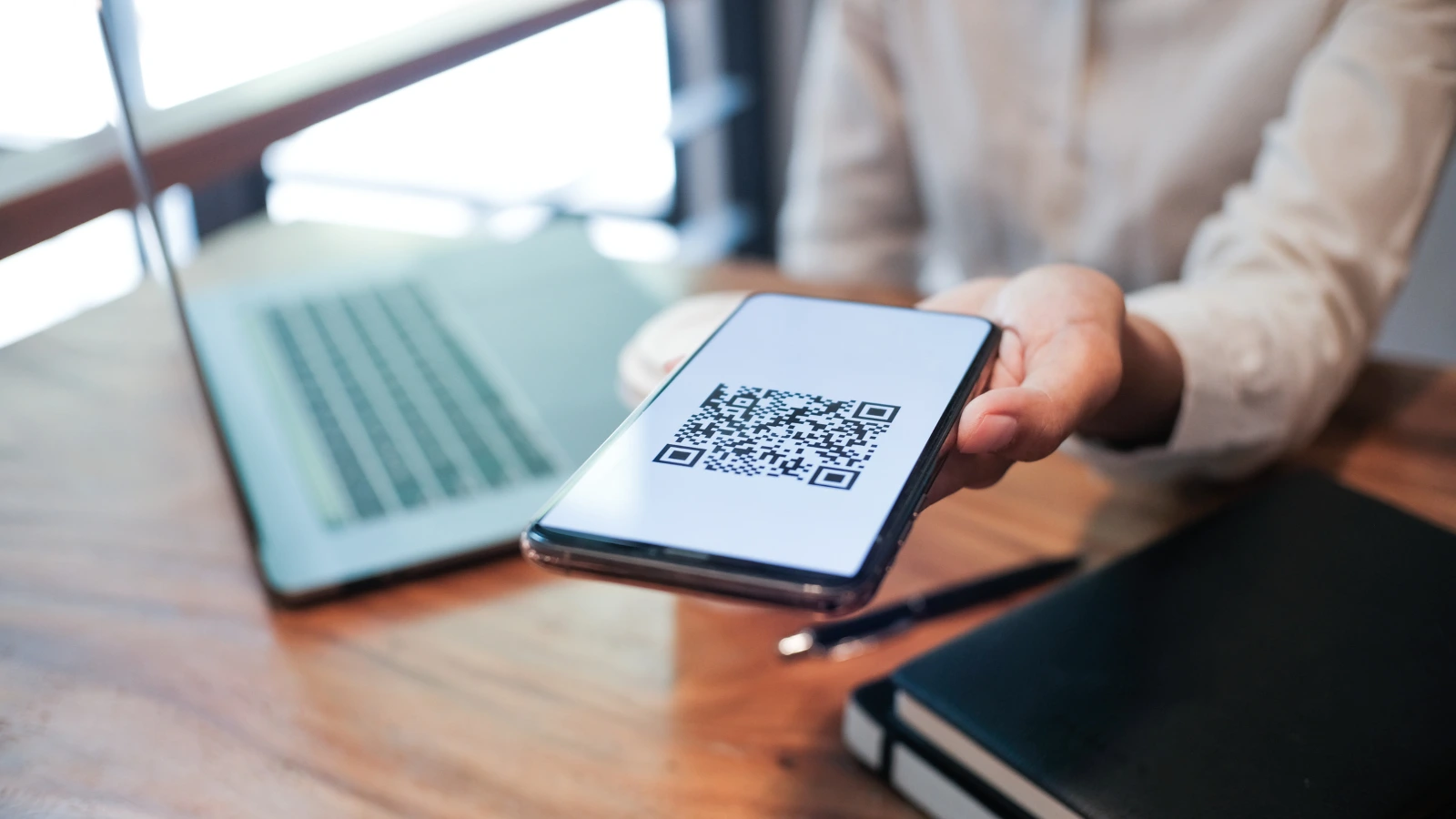

It was once easy to overlook a small black-and-white square sitting quietly on posters, packaging, and pamphlets, with no clear reason to pause or engage. At the time, interaction still demanded patience, and people were willing to give it to them. Over time, however, expectations began to shift as digital experiences became faster, simpler, and less forgiving delay.
What makes this transition fascinating is that no one asked users to behave differently. Habits changed on their own. Phones became quicker, attention spans shortened, and waiting started to feel unnecessary. In that moment, the QR code found its place. Scanning became faster than typing, more direct than searching, and far more aligned with how people wanted to move.
How QR Code Usage Aligned with Changing Behavior
The turning point arrived when scanning began to match real user intent. Smartphones improved, cameras became faster, and internet access became reliable. More importantly, people grew comfortable moving between physical and digital spaces without stopping to think, which reshaped expectations around speed and effort.
In that moment, the QR code stopped feeling like a feature and started acting like a shortcut. Scanning worked because it respected momentum. Users did not have to pause or switch context, one simple action led directly to information, payment, or completion. This alignment between intent and outcome is what made the experience feel natural rather than forced.
Learn more: How QR Code Generator Turn Moments of Curiosity into Structured Data
When Digital Experiences Were Designed for Patience
Earlier digital systems assumed users had time. Typing long links, searching for pages, or moving through multiple menus felt normal at the time. As mobile usage increased, however, patience began to shrink, and expectations shifted toward speed and clarity.
People wanted results instantly and without instructions. In this changing environment, the QR code emerged as a simple response to a growing problem. Experiences that required fewer steps started to feel better, even when the technology behind them was simple. This shift puts pressure on designers and businesses alike. Every extra step became a risk, every delay increased drop-offs, and digital experiences were no longer judged by features alone but by how quickly they delivered value. Interactions that removed effort quietly replaced those that focused only on polish.
From Optional Add-On to Essential Digital Layer
Initially, many businesses treated scanning as an experiment. Some campaigns worked while others failed, and results were often inconsistent. Over time, however, smarter use cases began to appear as payments became quicker, menus turned touch-free, registrations felt smoother, and support pages became easier to reach.
Once these experiences proved reliable, removing them started to feel risky. What began as an add-on slowly turned into a dependency. When customers came to expect scanning as part of the flow, it crossed the line from optional to essential without any formal decision being made.
Why Simplicity Drove Mass Adoption
One reason this shift worked was simplicity. With the QR code, there was nothing new to learn, no app to install, and no account to create, which made adoption feel natural across age groups and industries. Whether in retail, education, healthcare, or travel, scanning felt familiar rather than intimidating.
Simplicity also reduced hesitation. Users did not worry about making mistakes, and if nothing loaded, they simply moved on. This low-pressure interaction encouraged experimentation, which gradually turned into habit. Over time, habit is what transforms tools like the QR code into invisible infrastructure.
How QR Code Usage Creates Practical Business Advantage
From a business perspective, the QR code solved a practical problem by connecting offline moments to online systems without friction. It enabled tracking without forcing engagement and supported updates without the need for reprinting material.
More importantly, it helped businesses understand behavior without interrupting it. Every scan carried intent, and over time this data became valuable for improving experiences rather than pushing promotions, which turned scanning into a strategic asset rather than just a tactical tool.
When Technology Becomes Invisible Within the Digital Experience
The strongest sign of success is invisibility. Today, people scan without noticing the action itself, it feels natural and almost automatic. This is how infrastructure behaves, supporting experiences quietly without demanding attention.
Invisible technology earns trust. Users stop questioning it and start relying on it, and when something reaches this stage, replacing it becomes difficult, not because of cost, but because behavior has already adapted around it.
QR Code as a Permanent Part of Digital Experiences
The QR code did not become essential through hype or promotion. It earned its place by aligning with real behavior and real needs. As digital experiences continue to blend physical and online worlds, tools that reduce friction will remain valuable.
This shift is not temporary. It reflects a deeper change in how people interact with systems. In modern digital experiences, convenience is no longer optional, it is expected.
FAQs
1. Why did QR-based interactions grow so steadily
Because they matched user intent and removed unnecessary steps
2. Is scanning still relevant with newer technologies
Yes, because it adapts easily without adding complexity
3. Do users trust these interactions
Trust increased as results became consistent and familiar
4. Can this model scale for businesses
It scales naturally with minimal operational effort
5. Will digital experiences move away from scanning
Only if something simpler replaces it, which is unlikely
Visit Munshify.com to see how scan-based workflows remove friction and turn everyday interactions into seamless digital experiences.