
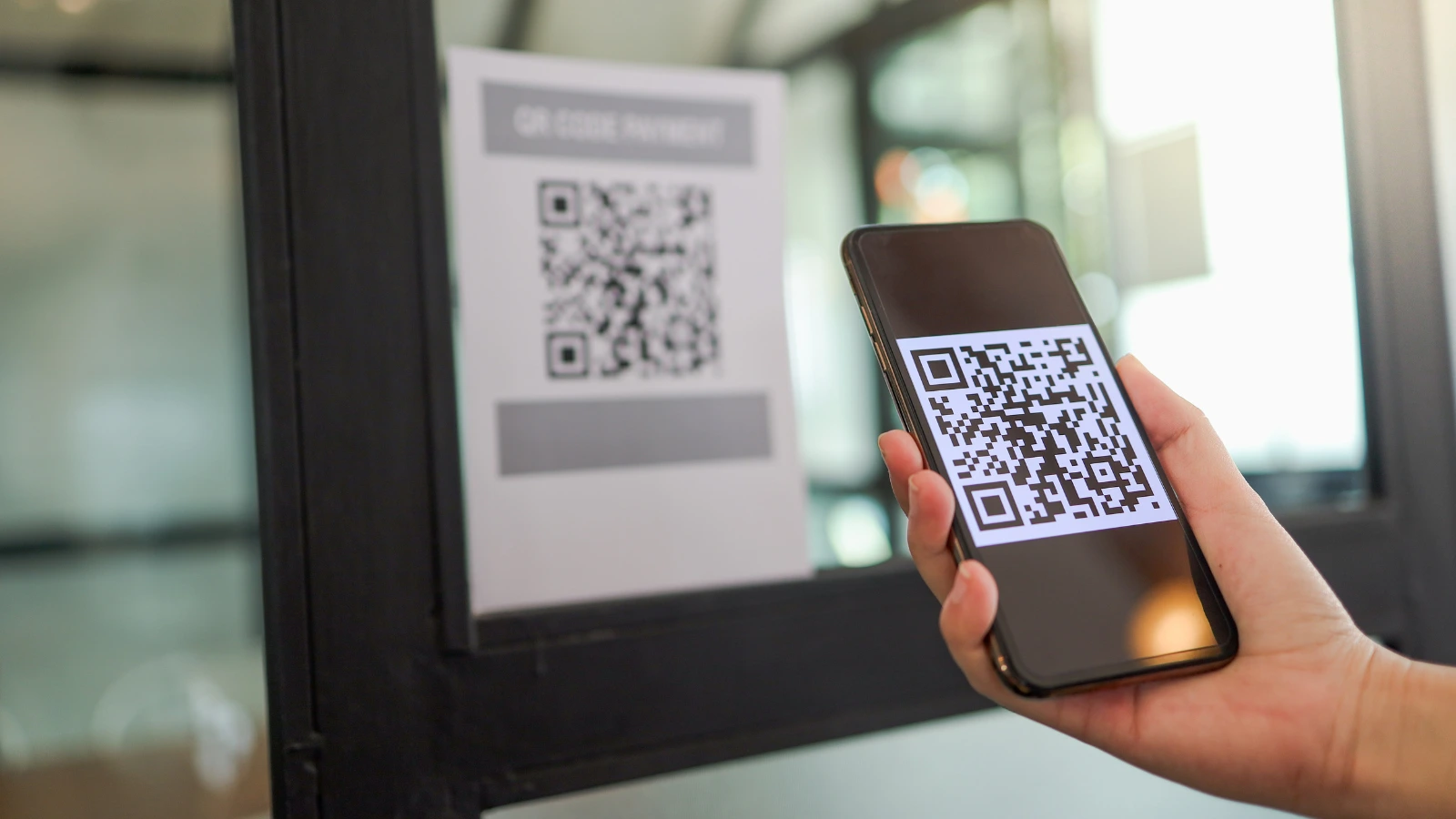

Curiosity often appears in small moments when someone pauses near a poster, notices a product label, or looks twice at a signboard. That brief pause carries intent, yet for a long time it disappeared without leaving any trace. This is where a QR code generator change the outcome by capturing that exact moment and turning it into structured data instead of letting interest fade away.
What makes this shift important is timing. The scan happens when interest is fresh and genuine. Instead of chasing attention later, brands learn directly from the moment curiosity occurs. This makes the data more honest and far more useful for understanding real behavior.
How QR Code Generator captures intent at the right moment
A QR code generator works precisely at the point where curiosity turns into action. Scanning is voluntary and happens only when interest exists. Once the scan happens, that moment of curiosity becomes visible and transforms into a signal that carries time, location, and context. Because of this, physical interactions begin to behave like digital ones, where patterns appear and learning becomes possible.
This timing matters because intent fades quickly. Capturing it instantly preserves accuracy. Instead of asking users later what interested them, the scan records the truth in real time. That reliability is what makes QR-based data valuable.
Learn more: Why Organizations Chose QR Code as the Primary Access Point for On-Demand Information
Why curiosity needed structure rather than more visibility
Offline marketing has always been good at attracting attention. However, attention alone never explained behavior. People looked, noticed, and moved on, while teams measured reach without understanding intent. As a result, decisions were based on assumptions rather than evidence. Over time, this created inefficiency because campaigns repeated mistakes and learning remained slow. What was missing was not exposure but clarity.
Structure brings meaning to attention. When curiosity is captured in a structured way, it stops being abstract. Teams can finally connect what people noticed with what they did next. This connection turns visibility into insight and makes improvement possible instead of speculative.
How a QR Code Generator connects offline moments to insight
A QR code itself is simple, but the value lies in what happens after the scan. When codes are created with purpose, each scan becomes part of a structure where campaigns can be compared, locations can be evaluated, and messages can be tested. Gradually, patterns emerge that show which touchpoints attract attention and which fail silently. Since the data is organized, insight becomes reliable and improvement becomes continuous rather than reactive.
This connection allows offline environments to speak. Posters, packaging, and displays stop being passive. They begin to generate feedback. Over time, this feedback guides smarter placement, clearer messaging, and better use of physical space.
Why structured data matters more than scan volume
More scans do not automatically lead to better decisions. Understanding why scans happen matter more than counting them. Structured data answers practical questions such as which message triggered action, or which physical placement caused to follow through. As a result, teams adjust faster, resources are used more efficiently, and performance improves naturally without relying on guesswork.
Real-world impact across everyday scenarios
Retail brands use scan behavior to understand product interest before purchasing. Event organizers measure booth engagement instead of relying only on footfall. Restaurants observe what diners explore before placing an order. In every case, curiosity becomes visible, measurable, and actionable, which changes how offline success is understood and improved.
Why a QR Code Generator Gives Curiosity a Lasting Digital Footprint
In a world where attention appears briefly and disappears quickly, capturing curiosity requires more than visibility. A QR code generator ensures that moments of interest are not lost but recorded with context and purpose. By turning short physical interactions into structured data, it helps teams move from assumptions to understanding. Over time, these small signals build a clearer picture of what truly engages people, allowing physical experiences to contribute meaningfully to long term decisions and smarter strategies.
FAQs
1. Why is scan-based data more reliable than traditional offline metrics?
Because it is based on real user actions rather than estimates.
2. Does scanning disrupt the user experience?
No. It happens only when curiosity already exists.
3. Can small teams benefit from structured scan data?
Yes. Even limited data becomes valuable when it is organized.
4. Is a QR code generator only used for redirection?
No. Its real value comes from the insight created after the scan.
5. How does this help with decision making?
It replaces assumptions with patterns and evidence
Visit Munshify.com and see how QR scans can quietly reveal what truly attracts attention.